

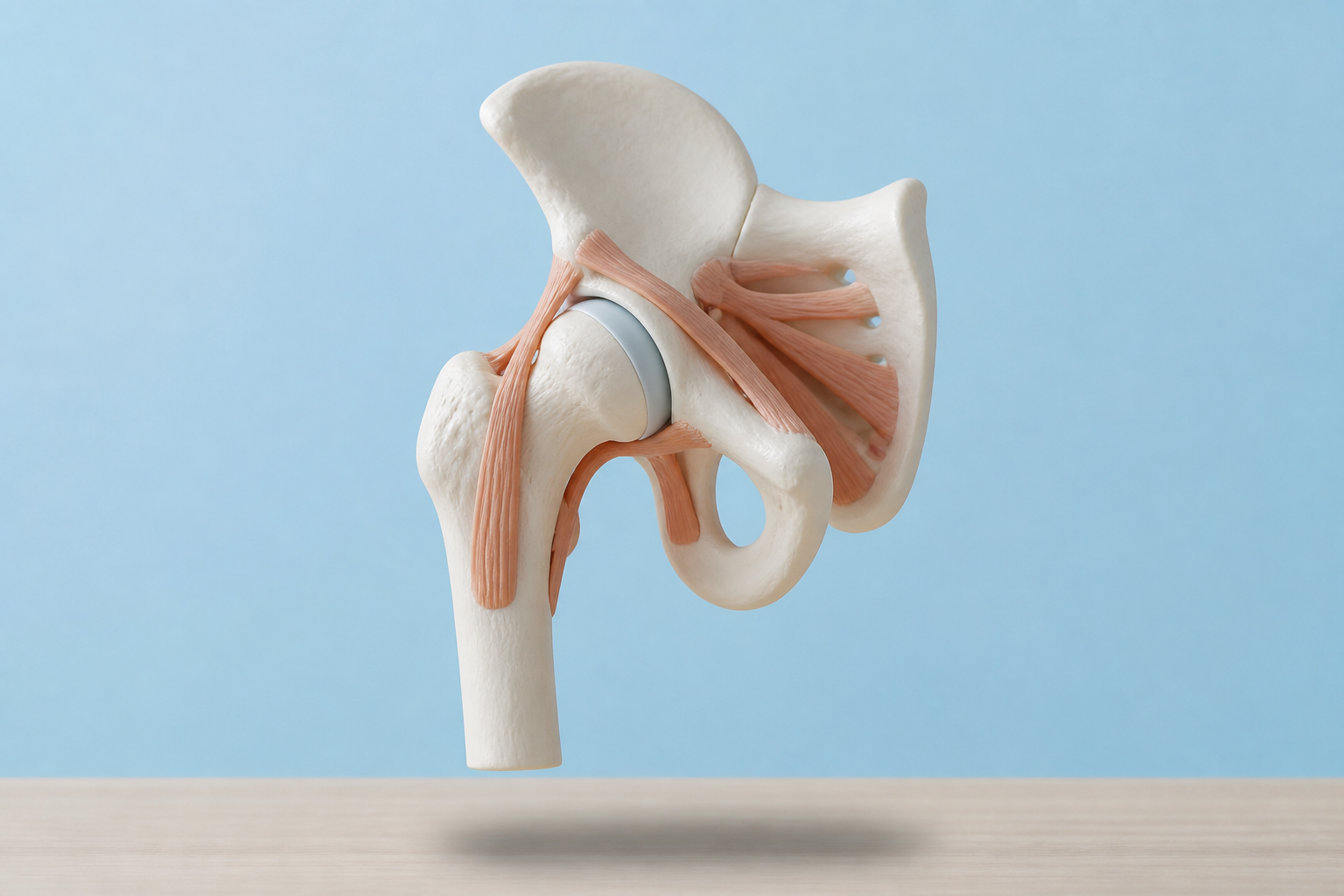
Hip Replacement Recovery Guide
After hip replacement, hip precautions and temporary mobility limits make home setup critical. The right DME helps you move safely and protect the new joint during early recovery.
Prepared by Be Recovery Ready. Clinical content by Kyle Macri, DPT, FAAOMPT and Steve Lucci, PT (30+ years combined orthopedic experience).
Hip recovery · Full recovery guide
Hip Replacement Recovery Guide
After hip replacement, hip precautions and temporary mobility limits make home setup critical. The right DME helps you move safely and protect the new joint during early recovery.
Prepared by Be Recovery Ready. Clinical content by Kyle Macri, DPT, FAAOMPT and Steve Lucci, PT (30+ years combined orthopedic experience).
Recovery timeline checklist
General milestones aligned with common hospital discharge education and orthopedic rehab phases. Your surgeon's written protocol always takes priority.
2–4 weeks BEFORE surgery
- Learn your hip precautions (commonly: no bending past 90°, no crossing legs, no turning the operated leg inward). Restrictions usually depend on surgical approach: anterior (front), lateral (side), or posterior (back). Confirm yours with your team.
- A medication manager app (e.g., MediSafe) helps when juggling pain meds, blood thinners, and other prescriptions early on.
- Set up a firm chair with arms, toilet riser, and shower chair; keep toiletries and clothes at waist height.
- Remove throw rugs and clutter; consider a bedside commode if bathroom is far from the bedroom.
- Order walker and DME early; many hospitals expect you to have equipment at home before admission.
- Arrange help with meals, pet care, and driving for at least the first 1–2 weeks.
Hospital discharge & week 1
- Walker for all ambulation indoors; follow weight-bearing status (full or partial) exactly as prescribed.
- Sleep with a pillow between knees if directed; some teams prefer a recliner or high firm bed briefly.
- Ice and elevate per protocol; take blood thinners and pain meds on schedule.
- Use reacher and dressing stick for socks and lower body. Do not bend at the hip to pull up pants.
- Short walks several times daily; avoid sitting in low soft couches that break hip precautions.
- No driving until surgeon clears. This is typically when off narcotics and you can brake safely.
Weeks 2–6
- Transition walker to cane when PT confirms safe gait and you can obey precautions without reminders.
- Outpatient PT focuses on gait, strength, and gradually restoring everyday motion within precaution limits.
- Continue hip precautions until explicitly lifted. Timing varies by surgical approach (posterior vs anterior).
- Gradually resume light housekeeping and cooking with adaptive tools; avoid lifting heavy objects.
- Watch incision for healing; report drainage, fever, or calf swelling promptly.
Weeks 6–12+
- Precautions often ease around 6–12 weeks depending on protocol. Confirm before crossing legs or bending deeply.
- Build endurance with walking programs; pool or bike may be added when cleared.
- Discuss return to work, golf, and travel at follow-up visits.
- Long-term: maintain hip abductor (side hip muscle) and core strength to support the new joint.
How home setup supports recovery
Everyday challenges — mobility, bathing, dressing, sleep, and more — often drive what you need at home. These categories group commonly recommended equipment around those functional needs.
Mobility
Stable walking devices reduce fall risk while regaining strength and balance after THA.
Transfer safety
Raised seating and shower support make toilet and bathing transfers safer during precautions.
Pain and swelling
Cold therapy remains a common adjunct in early post-op weeks when approved by your team.
Commonly recommended items
Included in your kit
- Drive Medical 2-Button Standard Walker
- Shower Chair 2
- Sock Aid
- Dressing Stick with Shoehorn
Frequently asked questions
What should I buy before hip replacement?▾
Plan for a walker or cane, bathroom safety equipment, ice supplies, and adaptive tools for dressing while movement is restricted.
How long will I need a walker after hip replacement?▾
Many patients use a walker for one to three weeks, then transition to a cane. Your PT will guide timing based on strength and balance.
Can I use a regular toilet after hip surgery?▾
A raised toilet seat or commode is often recommended early on to limit deep hip flexion during transfers.
What hip precautions affect equipment choices?▾
Precautions influence how you bend and reach; long-handled tools and stable seating help you follow restrictions more easily.
Is this guide a substitute for my surgeon's orders?▾
No. Use this as an equipment planning overview only.
What should I buy before hip replacement?
Plan for a walker or cane, bathroom safety equipment, ice supplies, and adaptive tools for dressing while movement is restricted.
How long will I need a walker after hip replacement?
Many patients use a walker for one to three weeks, then transition to a cane. Your PT will guide timing based on strength and balance.
Can I use a regular toilet after hip surgery?
A raised toilet seat or commode is often recommended early on to limit deep hip flexion during transfers.
What hip precautions affect equipment choices?
Precautions influence how you bend and reach; long-handled tools and stable seating help you follow restrictions more easily.
Is this guide a substitute for my surgeon's orders?
No. Use this as an equipment planning overview only.
Community
Talk with others recovering from Hip Replacement Recovery Guide
Ask what to expect, compare notes on week-by-week recovery, or share what helped you. Peer support only — not medical advice.
Join the conversation