

Lumbar Laminectomy / Decompression Recovery Guide
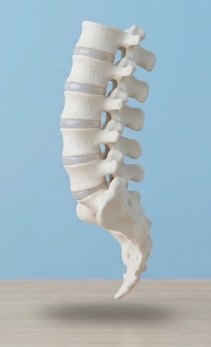
Lumbar laminectomy (decompression) removes bone and ligament that squeeze spinal nerves — often for stenosis. Early recovery centers on frequent walking, careful transfers, and limits on bending, lifting, and twisting while tissues calm. Most people do not need a brace. Exercise examples below are common “what to expect” themes — always check with your surgeon and physical therapist before starting anything new.
Prepared by Be Recovery Ready. Clinical content by Kyle Macri, DPT, FAAOMPT and Steve Lucci, PT (30+ years combined orthopedic experience).
Last reviewed: 2026-07-28
Spine recovery · Full recovery guide
Last reviewed 2026-07-28
Lumbar Laminectomy / Decompression Recovery Guide
Lumbar laminectomy (decompression) removes bone and ligament that squeeze spinal nerves — often for stenosis. Early recovery centers on frequent walking, careful transfers, and limits on bending, lifting, and twisting while tissues calm. Most people do not need a brace. Exercise examples below are common “what to expect” themes — always check with your surgeon and physical therapist before starting anything new.
Prepared by Be Recovery Ready. Clinical content by Kyle Macri, DPT, FAAOMPT and Steve Lucci, PT (30+ years combined orthopedic experience).
Recovery timeline checklist
General milestones aligned with common hospital discharge education and orthopedic rehab phases. Your surgeon's written protocol always takes priority.
Before surgery
- Ask how many levels are decompressed and whether fusion was added. Fusion changes the guide and timeline.
- Clear a flat indoor walking loop and remove loose rugs before surgery day.
- Set up a raised toilet seat and shower chair if deep bending is hard for you.
- Practice log-roll transfers and hip-hinge habits for picking items up later.
- Discuss smoking cessation and bone health; both support healing after spine surgery.
- Plan time off that matches your job’s lifting demands — desk work often returns sooner than physical labor.
Weeks 0–3
- Take short walks several times a day. Frequent easy walks beat one long outing.
- Build toward longer walks as comfort allows — many protocols aim for about 30 minutes twice a day when ready.
- Log-roll in and out of bed. Follow written BLT (bend / lift / twist) limits.
- Change positions often. Limit long sitting; many teams suggest breaks every 30–45 minutes with feet flat and back supported.
- Early “exercise” is mostly safe mobility: walking, posture awareness, and ADL practice (shoes, picking items up with a hip hinge) — only as your team teaches.
- Ice the incision after walks; keep the wound clean and dry. No baths or soaking until cleared.
- Do not drive while taking narcotic pain medicine. Ask your surgeon when driving is safe.
- A brace is not typical for decompression alone unless your surgeon orders one.
- Keep everyday items at waist height so you are not digging under sinks or into low drawers.
Weeks 3–6
- Continue progressive walking on flat ground; track how far and how long feels comfortable.
- Outpatient PT often starts in this window when cleared — confirm timing with your surgeon before booking.
- What many PT plans introduce next (examples only — do these only if your surgeon and PT clear them): pelvic tilts, gentle abdominal “drawing in,” wall squats with a neutral spine, bridges, bird-dog (arm/leg reaches on hands and knees), and dead-bug patterns on your back.
- Leg and hip examples you may also see: clamshells, side-lying hip abduction, hook-lying knee fall-outs, and light band work — still keeping the low back quiet and neutral.
- Flexibility work is often calf, hamstring, and hip-flexor stretches without forcing deep lumbar bend. Your PT should show the safe version for you.
- Avoid combining bend + lift + twist (BLTs), deep lumbar bending, heavy push/pull chores, and machines like a rower until cleared. Some teams also delay upright stationary bike early on.
- Lifting caps vary; many teams keep chores and yardwork light for months. Follow your written limit.
- Desk or sedentary work may resume with limited sitting duration and frequent position changes.
- Driving when off narcotics and you can shoulder-check and brake safely — confirm with your surgeon.
Weeks 6–12
- Walking endurance usually grows toward longer community walks if symptoms stay calm.
- Expect PT to progress the same core themes with more challenge — still only as prescribed: longer holds of abdominal bracing, advanced bird-dog / dead-bug progressions, bridges with marches, and light standing band rows or shoulder work while keeping a neutral spine.
- Later in this window, some programs add knee-supported planks, side-steps with a band, lunges, or gentle cat-camel / quadruped rocking for mobility — ask before copying any of these from a video.
- Strengthening still avoids end-range loaded flexion and heavy deadlift-style bending until your team advances you.
- Pain with daily activity should trend down; report new or returning stenosis-type leg symptoms.
- Moderate-duty jobs may return in stages with lifting limits. Heavy labor often needs longer clearance.
- Stay independent with the home program your PT writes down — walking, posture, and the exact exercise list they assign.
3+ months
- Many people are cleared for most everyday activity, with gradual progress on lifting and higher-demand work.
- What to expect later in rehab (again, only if cleared): harder single-leg strength, full planks, balance work on less stable surfaces, and gradual return to gym or work-simulation lifting with excellent body mechanics.
- Scar massage is often delayed until later months if your team allows it — ask before rubbing the incision.
- Keep using good body mechanics: lift with the legs, keep loads close, and avoid twist-under-load.
- Long-term walking and a maintenance core program help protect your results.
- Return to sport, contact activity, or heavy physical jobs only with formal clearance from your surgical and therapy team.
How home setup supports recovery
Everyday challenges — mobility, bathing, dressing, sleep, and more — often drive what you need at home. These categories group commonly recommended equipment around those functional needs.
Walking setup
Good shoes and a clear path matter more than complex gadgets after decompression. Walking is the main early exercise.
Transfer and bathroom aids
Raised toilet seats and shower chairs reduce deep flexion when nerves and the incision are still irritable.
Waist-height living
Counter-level storage for clothes, kitchen staples, and toiletries is the cheapest protection for BLT limits.
Ice and comfort
Incisional ice after walks can ease aching. Follow wound instructions and skip soaking until cleared.
Commonly recommended items
Showing Premium tier
Frequently asked questions
Is laminectomy the same as fusion?▾
No. Decompression alone removes pressure on nerves without joining vertebrae. If fusion was added, follow the fusion guide and your fusion-specific precautions instead.
Why so much walking?▾
Walking supports circulation, nerve mobility, and endurance without forcing deep lumbar flexion. Build distance gradually and stop short of sharp nerve pain.
What exercises should I expect in physical therapy?▾
Plans vary, but many decompression programs progress from walking and posture into gentle core and hip work — for example pelvic tilts, abdominal bracing, wall squats, bridges, bird-dog, dead-bug patterns, clamshells, and later light band or balance work. Treat those names as a preview of common themes, not a prescription. Start or progress exercises only after your surgeon and physical therapist clear them and show you the form that is safe for your surgery.
Can I follow an online core or “low back” workout?▾
Not until your surgical and PT team say so. Generic videos often include deep bending, twisting, or loading that conflict with early spine precautions. Use only the home program you were given.
How long should I sit?▾
Early on, many teams prefer short sitting bouts with frequent position changes — often around 30–45 minutes at a time with good back support. Follow your written instructions.
When can I return to work?▾
Desk jobs often return within several weeks with sitting limits. Physical or heavy lifting jobs usually take longer and may need staged light-duty first. Ask your surgeon for a plan matched to your job.
When can I garden, vacuum, or lift grandchildren?▾
Those tasks bend, twist, and load the spine. Wait for clearance. Feeling better in the first weeks is not the green light for chores or lifting.
Do I need a back brace?▾
Often no for laminectomy alone. Wear a brace only if your surgeon prescribes one.
What red flags need urgent care?▾
New bowel or bladder loss, saddle numbness, progressive leg weakness, chest pain or shortness of breath, or a fever with a worsening wound needs prompt medical evaluation.
Is this guide a substitute for my surgeon’s orders?▾
No. This is patient education to help you plan equipment, home setup, and what rehab often looks like. Exercise names here are examples only. Always follow your surgeon and physical therapist’s written protocol, and check with them before starting or progressing any exercise.
Is laminectomy the same as fusion?
No. Decompression alone removes pressure on nerves without joining vertebrae. If fusion was added, follow the fusion guide and your fusion-specific precautions instead.
Why so much walking?
Walking supports circulation, nerve mobility, and endurance without forcing deep lumbar flexion. Build distance gradually and stop short of sharp nerve pain.
What exercises should I expect in physical therapy?
Plans vary, but many decompression programs progress from walking and posture into gentle core and hip work — for example pelvic tilts, abdominal bracing, wall squats, bridges, bird-dog, dead-bug patterns, clamshells, and later light band or balance work. Treat those names as a preview of common themes, not a prescription. Start or progress exercises only after your surgeon and physical therapist clear them and show you the form that is safe for your surgery.
Can I follow an online core or “low back” workout?
Not until your surgical and PT team say so. Generic videos often include deep bending, twisting, or loading that conflict with early spine precautions. Use only the home program you were given.
How long should I sit?
Early on, many teams prefer short sitting bouts with frequent position changes — often around 30–45 minutes at a time with good back support. Follow your written instructions.
When can I return to work?
Desk jobs often return within several weeks with sitting limits. Physical or heavy lifting jobs usually take longer and may need staged light-duty first. Ask your surgeon for a plan matched to your job.
When can I garden, vacuum, or lift grandchildren?
Those tasks bend, twist, and load the spine. Wait for clearance. Feeling better in the first weeks is not the green light for chores or lifting.
Do I need a back brace?
Often no for laminectomy alone. Wear a brace only if your surgeon prescribes one.
What red flags need urgent care?
New bowel or bladder loss, saddle numbness, progressive leg weakness, chest pain or shortness of breath, or a fever with a worsening wound needs prompt medical evaluation.
Is this guide a substitute for my surgeon’s orders?
No. This is patient education to help you plan equipment, home setup, and what rehab often looks like. Exercise names here are examples only. Always follow your surgeon and physical therapist’s written protocol, and check with them before starting or progressing any exercise.
Community
Talk with others recovering from Lumbar Laminectomy / Decompression Recovery Guide
Ask what to expect, compare notes on week-by-week recovery, or share what helped you. Peer support only — not medical advice.
Join the conversation