

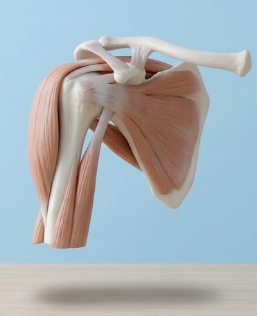
Rotator Cuff Repair Recovery Guide
Rotator cuff repair usually requires a period in a sling with limited active shoulder motion. Home equipment supports comfort, sleep, and safe independence while the tendon heals.
Prepared by Be Recovery Ready. Clinical content by Kyle Macri, DPT, FAAOMPT and Steve Lucci, PT (30+ years combined orthopedic experience).
Shoulder recovery · Full recovery guide
Rotator Cuff Repair Recovery Guide
Rotator cuff repair usually requires a period in a sling with limited active shoulder motion. Home equipment supports comfort, sleep, and safe independence while the tendon heals.
Prepared by Be Recovery Ready. Clinical content by Kyle Macri, DPT, FAAOMPT and Steve Lucci, PT (30+ years combined orthopedic experience).
Recovery timeline checklist
General milestones aligned with common hospital discharge education and orthopedic rehab phases. Your surgeon's written protocol always takes priority.
BEFORE surgery
- A medication manager app (e.g., MediSafe) helps when juggling pain meds and other prescriptions in the first weeks home.
- Practice one-handed hygiene and meal prep; stock button-up shirts and elastic-waist pants.
- Set up sleeping area with pillows or wedge. Many patients sleep reclined or propped the first weeks.
- Fill prescriptions for pain medication and stool softeners before surgery day.
- Place frequently used items at counter height in kitchen and bathroom.
- Review sling schedule (full-time vs off for shower) with your surgical team.
Weeks 1–6 (protection & passive motion)
- Wear sling as prescribed, typically full-time except during approved hygiene. Do not actively lift the arm away from the body.
- Ice 20 minutes on/off to the shoulder (with barrier on skin) for pain and swelling.
- Passive range of motion only with PT or approved home program. No active lifting with the surgical arm.
- Perform elbow, wrist, and hand exercises if cleared to prevent stiffness.
- No driving while in sling and on narcotics; one-handed driving is unsafe.
- Shower with sling off only if surgeon allows; keep incisions dry per instructions.
Weeks 6–12
- Gradually add active-assisted and light active motion per PT protocol.
- Sling use often decreases. Follow timing for your tear size (small vs large cuff repairs differ).
- Continue outpatient PT 1–2 times weekly; home program daily.
- Avoid reaching behind back or sudden lifting even if pain is low. Tendon healing continues.
- Return to desk work may be possible when off sling and pain controlled; manual labor takes longer.
Months 3–6+
- Strengthening phase progresses with resistance bands and weights under PT supervision.
- Sport-specific or overhead work training comes late. Rushing risks re-tear.
- Sleep on operated side only when surgeon clears. This is often months out.
- Maintain posture and scapular control exercises long term for shoulder health.
How home setup supports recovery
Everyday challenges — mobility, bathing, dressing, sleep, and more — often drive what you need at home. These categories group commonly recommended equipment around those functional needs.
Immobilization
Slings and pillows help protect the repair and improve sleep comfort in early weeks.
Swelling and pain
Cold therapy is commonly used in the initial post-operative period.
Daily living
Adaptive strategies and stable setups reduce risky reaching and lifting with the surgical arm.
Commonly recommended items
Included in your kit
- Shoulder Abduction PillowHow-to guide
- Dressing Stick with Shoehorn
- Button Hook
- Cold Pack WrapHow-to guide
Frequently asked questions
What equipment helps after rotator cuff surgery?▾
Patients often need sling support, ice, sleep positioning aids, and strategies for one-handed daily tasks.
How long will I wear a sling?▾
Sling duration depends on tear size and repair type; follow your written protocol.
Can I sleep on my side after rotator cuff repair?▾
Surgeons often restrict sleeping on the surgical side early; pillow support in a reclined or semi-upright position is common.
When do I start physical therapy?▾
PT timing is protocol-specific; follow your surgeon's written plan.
How do I order a shoulder recovery kit?▾
Select Build my kit to open pre-built tiers for rotator cuff repair.
What equipment helps after rotator cuff surgery?
Patients often need sling support, ice, sleep positioning aids, and strategies for one-handed daily tasks.
How long will I wear a sling?
Sling duration depends on tear size and repair type; follow your written protocol.
Can I sleep on my side after rotator cuff repair?
Surgeons often restrict sleeping on the surgical side early; pillow support in a reclined or semi-upright position is common.
When do I start physical therapy?
PT timing is protocol-specific; follow your surgeon's written plan.
How do I order a shoulder recovery kit?
Select Build my kit to open pre-built tiers for rotator cuff repair.
Community
Talk with others recovering from Rotator Cuff Repair Recovery Guide
Ask what to expect, compare notes on week-by-week recovery, or share what helped you. Peer support only — not medical advice.
Join the conversation