

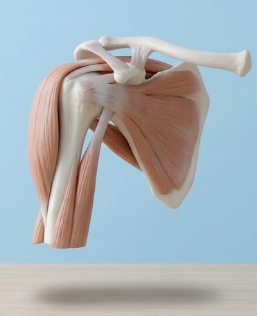
Shoulder Labral Repair Recovery Guide
Labral repair addresses shoulder instability or SLAP tears. Early recovery protects healing anchors with sling use and strict limits on external rotation or elevation depending on the repair type.
Prepared by Be Recovery Ready. Clinical content by Kyle Macri, DPT, FAAOMPT and Steve Lucci, PT (30+ years combined orthopedic experience).
Shoulder recovery · Full recovery guide
Shoulder Labral Repair Recovery Guide
Labral repair addresses shoulder instability or SLAP tears. Early recovery protects healing anchors with sling use and strict limits on external rotation or elevation depending on the repair type.
Prepared by Be Recovery Ready. Clinical content by Kyle Macri, DPT, FAAOMPT and Steve Lucci, PT (30+ years combined orthopedic experience).
Recovery timeline checklist
General milestones aligned with common hospital discharge education and orthopedic rehab phases. Your surgeon's written protocol always takes priority.
Before surgery
- Confirm repair type. ER limits differ for anterior instability vs SLAP.
- Fit the sling you will live in for weeks.
- Plan one-handed dominant-arm alternatives if needed.
- Fill prescriptions early.
Weeks 0–2
- Sling full-time except approved hygiene.
- Hand/elbow motion if allowed; no active shoulder elevation.
- Ice portals; sleep reclined.
- No throwing, pushing, or behind-back reach.
Weeks 2–6
- PT introduces protected ROM; respect ER/elevation caps.
- Sling weans only on schedule.
- Driving waits until sling-free with safe control.
- Desk work may resume with protection; overhead work waits.
Weeks 6–24+
- Strength and proprioception before return to sport.
- Throwing programs are staged over months, not weeks.
- Contact and collision sports need formal clearance.
- Report recurrent instability symptoms immediately.
How home setup supports recovery
Everyday challenges — mobility, bathing, dressing, sleep, and more — often drive what you need at home. These categories group commonly recommended equipment around those functional needs.
Sling for anchor protection
Labral anchors need time; sling compliance beats fancy gadgets.
Sleep support
Reclined sleep reduces night pain and accidental rolling onto the shoulder.
Safe-reach home setup
Counter-height living prevents forbidden behind-back and overhead reaches.
Commonly recommended items
Included in your kit
Frequently asked questions
Is labral repair like rotator cuff repair?▾
Both use slings, but labral protocols protect instability directions (often ER/extension) rather than cuff tendon healing timelines.
When can I throw again?▾
Throwing programs usually start months after surgery with staged volume. Early throwing risks re-tear.
Why can’t I reach behind my back?▾
That motion can stress anterior repairs. Limits are protective, not optional.
How long is the sling?▾
Often 4–6 weeks range, protocol-dependent.
Is this guide a substitute for my surgeon’s orders?▾
No. This is patient education to help you plan equipment and home setup. Always follow your surgeon and physical therapist’s written protocol.
Is labral repair like rotator cuff repair?
Both use slings, but labral protocols protect instability directions (often ER/extension) rather than cuff tendon healing timelines.
When can I throw again?
Throwing programs usually start months after surgery with staged volume. Early throwing risks re-tear.
Why can’t I reach behind my back?
That motion can stress anterior repairs. Limits are protective, not optional.
How long is the sling?
Often 4–6 weeks range, protocol-dependent.
Is this guide a substitute for my surgeon’s orders?
No. This is patient education to help you plan equipment and home setup. Always follow your surgeon and physical therapist’s written protocol.
Community
Talk with others recovering from Shoulder Labral Repair Recovery Guide
Ask what to expect, compare notes on week-by-week recovery, or share what helped you. Peer support only — not medical advice.
Join the conversation